Microneedling
Regenerate Your Skin from Within
Microneedling represents a revolution in the field of aesthetic medicine: a treatment that harnesses the skin’s natural ability to regenerate in order to restore radiance, firmness, and uniformity. Perfect for those who wish to improve scars, acne marks, or simply achieve smoother and younger-looking skin, microneedling is the ideal choice for visible and long-lasting results.
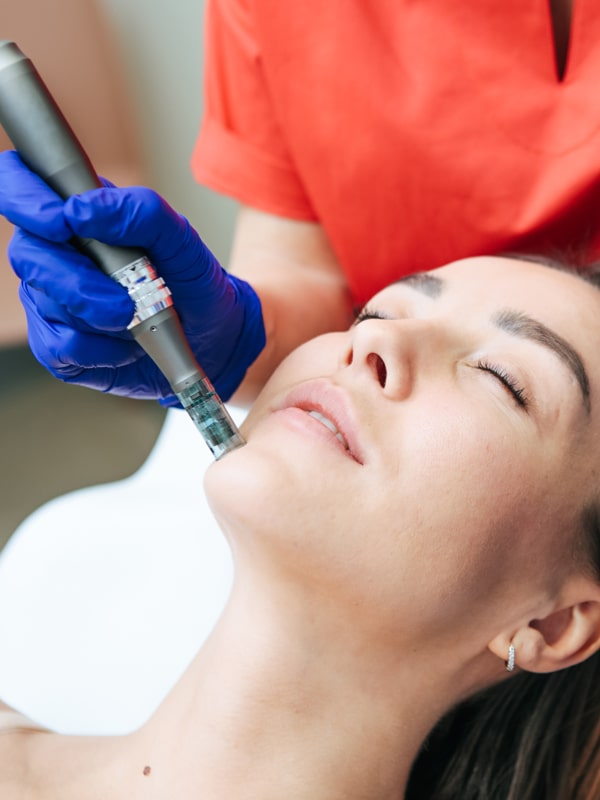
The microneedling treatment combines effectiveness and safety, making it one of the most appreciated techniques for improving skin quality. Through the creation of microchannels in the epidermis, it not only targets imperfections but also stimulates a deep regenerative process capable of reducing scars and signs of aging. At the Dermacademy Institute, the treatment is performed using state-of-the-art micromotorized devices to ensure maximum precision and comfort.
Microneedling uses microneedles that penetrate the epidermis, creating controlled microtraumas. This process physically breaks up the fibrous bundles that form scars while simultaneously stimulating the production of new collagen and elastin. The use of advanced devices makes it possible to treat even the most delicate areas with precision and effectiveness. In addition, at the Dermacademy Institute, the treatment is enhanced through the application of creams enriched with skin growth factors, which accelerate the regeneration process and reduce the number of sessions needed to achieve visible results.
Every microneedling treatment pathway is preceded by a thorough consultation with a specialized physician in order to assess the specific needs of each patient. During this phase, the characteristics of the skin are analyzed and the treatment goals are defined, allowing every procedure to be personalized and its effectiveness maximized. The consolidated experience of the medical team guarantees not only excellent results, but also a careful and safe approach, ensuring that every patient feels welcomed and valued.
Microneedling is effective for:
What Are Them
Acne scars are permanent marks that form on the skin following episodes of inflammatory acne. They may appear in different forms, such as depressions, thickened areas, or dark spots, altering the texture and uniformity of the skin.
Main causes
Acne scars develop when inflammation damages the deeper layers of the skin, affecting the surrounding tissue. Healing occurs in a disorganized way, with either an overproduction or a deficiency of collagen, leaving visible marks. The severity of the scars depends on the duration and intensity of the acne, as well as on genetic predisposition.
What Are Them
Signs of aging are aesthetic alterations of the skin that appear with advancing age. Wrinkles, loss of elasticity, dark spots, and a less toned appearance are the main characteristics, resulting from a progressive slowing down of the skin’s regenerative processes.
Main causes
Signs of aging are caused by a combination of intrinsic and extrinsic factors. Natural skin aging leads to a decrease in collagen and elastin production, making the skin less elastic and thinner. Chronic exposure to UV rays, stress, and lifestyle habits also accelerate this process, promoting the appearance of wrinkles and discoloration.
What Are Them
Stretch marks are skin alterations that appear as streaks or thin lines, initially red or purplish, which over time become white and thinner. These lesions are caused by the rupture of collagen and elastin fibers within the dermis, the middle layer of the skin, and develop as a result of a loss of elasticity and resistance in the skin tissue.
Main causes
Stretch marks mainly develop due to sudden changes in the body, such as significant weight gain or loss, pregnancy, or growth during adolescence. Genetic factors, hormonal imbalances, and collagen deficiencies also contribute to their formation, making some individuals more predisposed than others.
What Is It
Cellulite is an alteration of the subcutaneous tissue characterized by the accumulation of fat and fluid retention, which causes the typical “orange peel” appearance. This aesthetic concern can affect different areas of the body, such as the thighs, gluteals, abdomen, and hips, compromising the skin’s elasticity and firmness.
Main causes
The development of cellulite is influenced by several factors, including genetic predisposition, hormonal imbalances, sedentary lifestyles, and an unbalanced diet. Other elements such as stress, poor circulation, and fluid retention contribute to worsening its appearance, making the skin less firm and more prone to irregularities.
Book a specialist consultation
The health and peace of mind of our patients are always our priority. We have developed a method that guarantees a personalized treatment journey through a process that begins with listening.
Book a specialist consultation at the Dermacademy Institute.


