Biostimulation
Biostimulation: The Secret to Radiant and Youthful Skin
Biostimulation, also known as biorevitalization, is a non-invasive treatment designed to improve the appearance and quality of the skin through the use of biocompatible substances such as hyaluronic acid, vitamins, and amino acids.
This treatment stimulates the natural production of collagen and elastin, promoting skin that is firmer, more elastic, and better hydrated.
Over time, the skin loses elasticity, firmness, and radiance due to aging, stress, and exposure to external factors. Biostimulation represents an excellent solution to counter these effects because it acts deeply, improving the skin’s structure from within without resorting to invasive techniques. It is indicated for those seeking natural and progressive results.
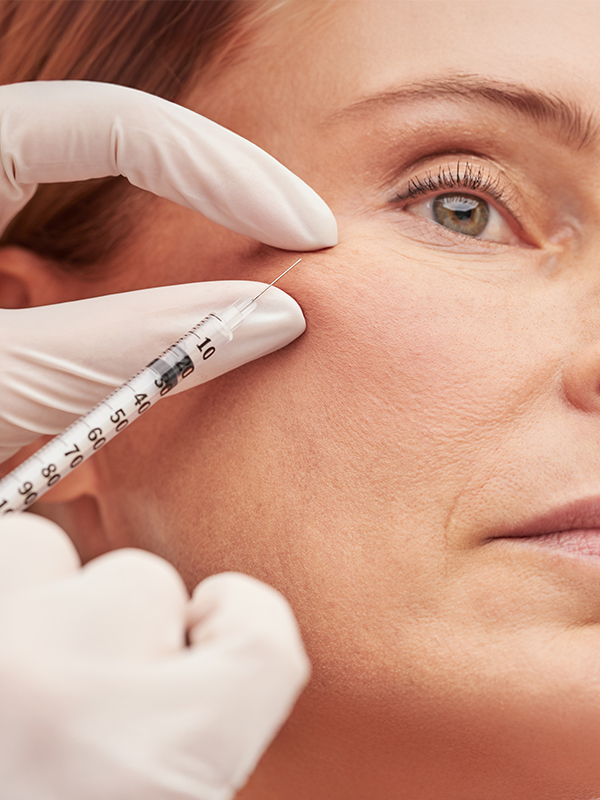
The biostimulation treatment involves superficial microinjections of biocompatible substances capable of regenerating tissues and improving skin quality. Biostimulation stimulates fibroblasts to produce collagen and elastin, enhancing the skin’s structure and restoring its natural radiance.
Each session lasts approximately 20–30 minutes, is minimally painful, and does not require significant recovery time. Typically, a treatment cycle consists of 3–5 sessions, scheduled every 2–3 weeks, depending on the patient’s needs.
Every skin is unique, and the treatment should be as well. During a personalized consultation, the aesthetic physician evaluates the condition of the skin and listens to the patient’s specific needs in order to define a targeted treatment plan capable of ensuring optimal and natural-looking results.
Biostimulation is effective for:
What Are Them
Signs of aging are aesthetic alterations of the skin that appear with advancing age. Wrinkles, loss of elasticity, dark spots, and a less toned appearance are the main characteristics, resulting from a progressive slowing down of the skin’s regenerative processes.
Main causes
Signs of aging are caused by a combination of intrinsic and extrinsic factors. Natural skin aging leads to a decrease in collagen and elastin production, making the skin less elastic and thinner. Chronic exposure to UV rays, stress, and lifestyle habits also accelerate this process, promoting the appearance of wrinkles and discoloration.
What Are Them
Acne scars are permanent marks that form on the skin following episodes of inflammatory acne. They may appear in different forms, such as depressions, thickened areas, or dark spots, altering the texture and uniformity of the skin.
Main causes
Acne scars develop when inflammation damages the deeper layers of the skin, affecting the surrounding tissue. Healing occurs in a disorganized way, with either an overproduction or a deficiency of collagen, leaving visible marks. The severity of the scars depends on the duration and intensity of the acne, as well as on genetic predisposition.
What Are Them
Spots on the face and hands, also known as skin discolorations, are alterations in skin color that appear as darker areas compared to the natural skin tone. These imperfections are often linked to an excessive production of melanin, the pigment responsible for skin color.
Main causes
Prolonged and unprotected exposure to UV rays is the most common cause, but skin aging also contributes to their appearance, leading to the formation of age spots. Other factors include hormonal imbalances, such as those associated with pregnancy or the use of contraceptives, as well as post-inflammatory marks caused by acne or skin lesions.
Clear lift
Clear Lift represents an effective and non-invasive treatment for those...
Photorejuvenation
Photorejuvenation is a treatment that harnesses the power of light...
KTP laser
The KTP laser is an innovative treatment that offers a...
Chemical peeling
The desire for smooth and radiant skin can be challenged...
Book a specialist consultation
The health and peace of mind of our patients are always our priority. We have developed a method that guarantees a personalized treatment journey through a process that begins with listening.
Book a specialist consultation at the Dermacademy Institute.


