Cellulite
Causes, symptoms,
diagnosis and treatments
At a glance
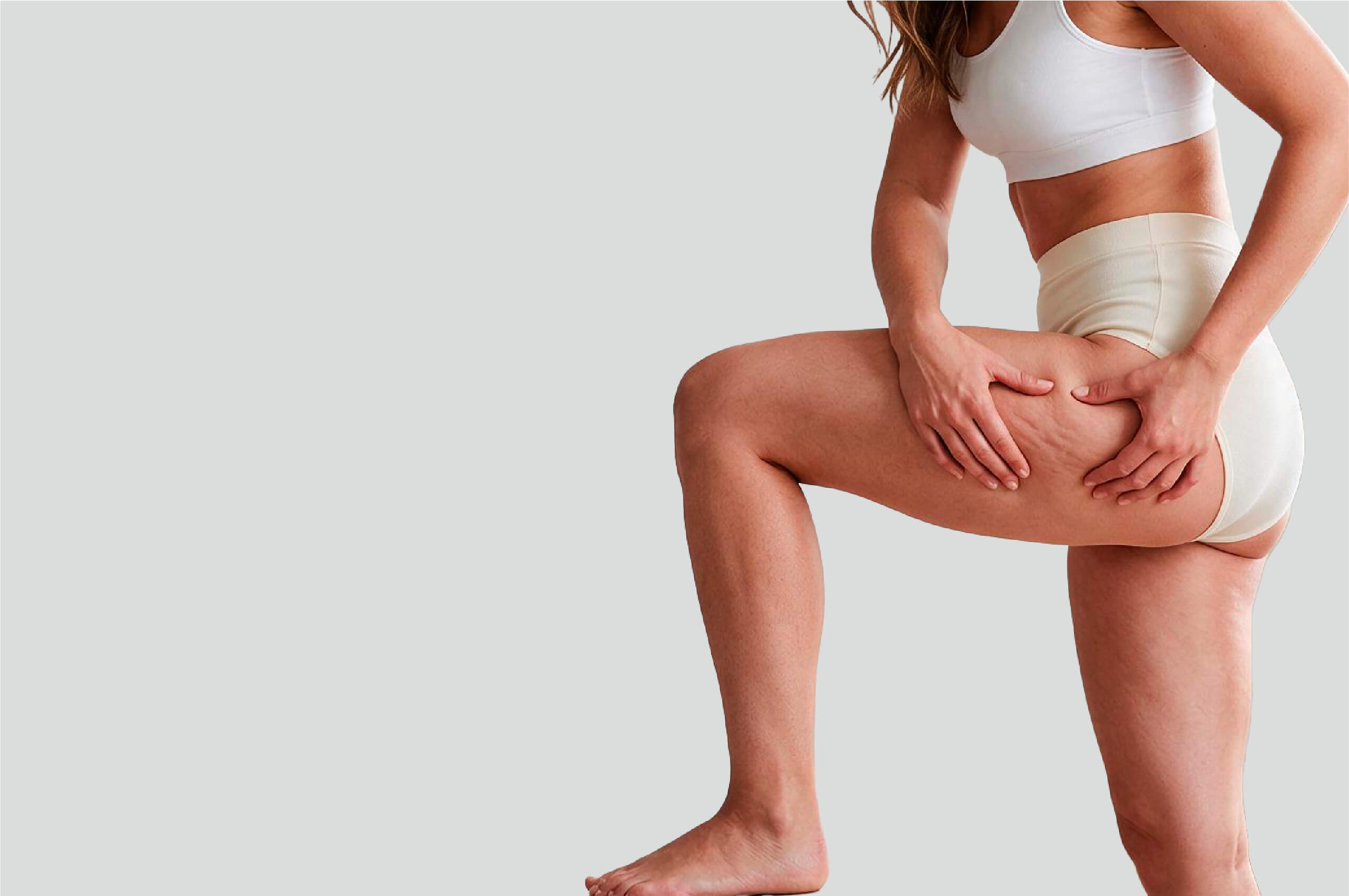
Cellulite, or gynoid lipodystrophy (GDL), is a condition affecting the subcutaneous tissue that primarily occurs in women. It is characterized by the typical “orange peel” appearance and may be accompanied by swelling, heaviness, and reduced skin elasticity. In some cases, it is associated with venous and lymphatic circulation disorders. A specialist evaluation helps identify the underlying causes and determine the most appropriate treatment.
Cellulite is a condition affecting the subcutaneous fat tissue caused by a combination of factors involving the microcirculation, connective tissue, and fat cells.
Contrary to common belief, it is not simply an accumulation of fat, but a complex condition that can also affect people of normal weight and those who are physically active.
The areas most commonly affected are:
- thighs;
- buttocks;
- hips;
- abdomen;
- inner knees;
- arms.
Cellulite affects up to 80–90% of women after puberty, with varying degrees of severity.
Cellulite can present with different symptoms depending on its stage of progression.
The most common signs include:
- skin with an “orange peel” appearance;
- skin irregularities;
- localized swelling;
- a feeling of heaviness in the legs;
- reduced skin elasticity;
- small skin depressions;
- tissue tightness;
- in more advanced cases, tenderness to the touch.
When a vascular component is also present, cellulite may be associated with edema and impaired microcirculation.
Cellulite is a multifactorial condition.
The main factors that contribute to its development include:
- genetic predisposition;
- hormonal changes;
- microcirculatory disorders;
- venous insufficiency;
- physical inactivity;
- overweight;
- a high-salt diet;
- smoking;
- stress.
The presence of one or more of these factors can promote fluid retention and changes in the subcutaneous tissue.
Although they may coexist, cellulite and lipedema are different conditions.
Cellulite is a condition affecting the subcutaneous tissue that primarily impacts the appearance of the skin and the microcirculation.
Lipedema, on the other hand, is a chronic disorder of adipose tissue characterized by pain, enlargement of the lower limbs, easy bruising, and an abnormal distribution of body fat.
A specialist evaluation can distinguish between the two conditions and identify the most appropriate treatment.
How is cellulite diagnosed?
Diagnosis is based on a specialist clinical evaluation aimed at determining the stage of cellulite and identifying any contributing factors.
During the consultation, the following are assessed:
- distribution of cellulite;
- skin quality;
- presence of edema;
- tissue elasticity;
- lifestyle;
- possible risk factors.
The goal is to determine whether the cellulite is primarily an aesthetic concern or associated with circulatory disorders.
When indicated, the evaluation is complemented by a Venous Color Doppler Ultrasound of the Lower Limbs.
This examination assesses the function of the venous system and helps identify circulatory abnormalities, such as venous insufficiency or varicose veins, which may contribute to the worsening of cellulite.
Venous Color Doppler Ultrasound is an important tool for developing a truly personalized treatment plan that goes beyond addressing aesthetic concerns alone.
The Specialist Care Pathway at Dermacademy
Cellulite is not the same for everyone.
For this reason, each patient undergoes a personalized evaluation that takes into account both the aesthetic and functional aspects of the condition.
The consultation includes a comprehensive evaluation of the skin, subcutaneous tissue, and venous circulation.
When necessary, a Venous Color Doppler Ultrasound of the Lower Limbs is also performed.
The specialist assesses:
- skin quality;
- severity of cellulite;
- presence of edema;
- circulatory function;
- possible venous insufficiency;
- lifestyle and predisposing factors.
At the end of the consultation, a personalized treatment plan is developed based on the patient’s individual characteristics, with the goal of achieving natural and long-lasting results.
Cellulite treatment
The treatment of cellulite depends on the severity of the condition and the underlying factors contributing to its development.
The treatment plan aims to:
- improve skin quality;
- reduce fluid retention;
- promote healthy microcirculation;
- improve tissue tone;
- reduce the “orange peel” appearance;
- help prevent the progression of cellulite.
Following a specialist evaluation, the treatment plan may include:
- aesthetic medicine treatments;
- phlebological treatments, when indicated;
- measures to improve venous circulation;
- lifestyle recommendations;
- personalized maintenance programs.
The goal is not only to improve the appearance of the skin, but also to address the underlying factors that contribute to the development of cellulite.
When should you schedule a consultation?
A specialist consultation is recommended if:
- your cellulite is worsening over time;
- you experience swelling in your legs;
- you feel heaviness in your lower limbs;
- aesthetic treatments have not provided satisfactory results;
- you suspect a circulatory disorder;
- you would like a personalized treatment plan.
A specialist evaluation helps identify the underlying cause of cellulite and determine the most appropriate treatment.
FAQ
No. Cellulite is a condition affecting the subcutaneous tissue, medically recognized as edematous fibro-sclerotic panniculopathy (EFSP). Although it is often considered merely a cosmetic concern, it may be associated with alterations in the microcirculation and connective tissue.
No. It can also affect people of normal weight and those who are physically active. Body weight is only one of the many factors involved.
Yes. Many patients have microcirculatory alterations or venous insufficiency, which can promote fluid retention and worsen the appearance of cellulite.
When the specialist suspects a vascular component, a venous Echo Color Doppler examination can assess circulation in the lower limbs and identify any underlying conditions that may contribute to the development or worsening of cellulite.
Book a specialist consultation
If you want to treat cellulite effectively, it is important to identify its underlying causes rather than focusing solely on its aesthetic appearance.
At Dermacademy, a specialist evaluation allows for a comprehensive assessment of tissue quality, the presence of any circulatory disorders, and the development of a personalized treatment plan.
Book a specialist consultation at Dermacademy and discover the treatment best suited to your needs.