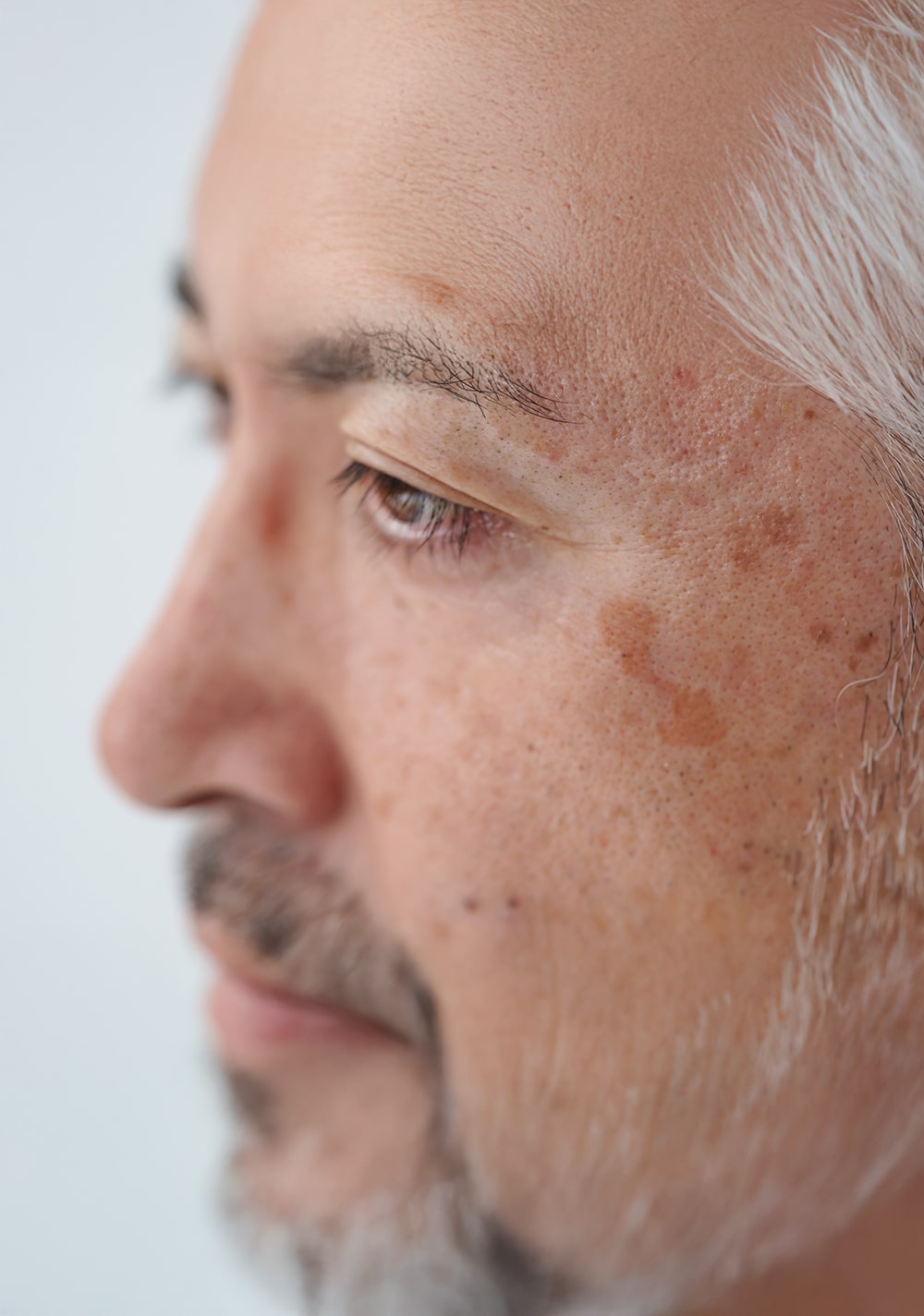
Spots on the Face and Hands
Facial and Hand Spots: Our Solution
Spots on the face and hands are among the most common skin imperfections, especially in the areas most exposed to external factors. These marks, also known as hyperpigmentation, are linked to environmental or internal factors, particularly the aging process, and tell the story of our skin: traces left by the sun, time, or hormonal changes. While they reflect the skin’s history, they can also become a source of aesthetic discomfort, requiring targeted care and attention to restore a more even and radiant complexion.
These imperfections may range from dark spots to red patches on the face and hands, creating an uneven appearance. Understanding their causes is essential in order to prevent them and adopt targeted strategies to address them. At the Dermacademy Institute, you will find personalized protocols and targeted treatments designed to achieve a more even complexion.
Hyperpigmentation is a condition characterized by an excessive accumulation of melanin in certain areas of the skin. This buildup may appear in the form of dark spots, sun spots, or red patches on the face and hands, depending on the underlying cause. The face and hands, being more frequently exposed to environmental factors, are among the areas most prone to developing these discolorations.
Among the most common types of spots are:
- Sun spots on the face: also known as “solar lentigines,” mainly caused by excessive sun exposure.
- Melasma: characterized by dark brown patches on the face, generally linked to hormonal changes; they are common, for example, during pregnancy.
- Red spots on the face: caused by inflammation, acne, or skin irritation.
A face affected by spots may appear older or neglected, accentuating the signs of aging, which is why early intervention is important.
The causes of skin spots on the face and hands can be multiple and are often interconnected. Below are the most common:
- Sun exposure and UV damage: the sun is the main cause of facial sun spots. Exposure to ultraviolet (UV) rays stimulates melanin production, which can accumulate unevenly and form dark spots. These marks may appear even years after unprotected exposure. Another area at high risk for developing sun spots is the hands, especially in people who perform manual work with high exposure to weather conditions.
- Skin aging: over time, the skin undergoes a natural aging process that reduces the regenerative capacity of skin cells. Brown skin spots, also known as “senile lentigines,” are a typical sign of this process.
- Hormonal changes: hormonal fluctuations related to pregnancy, the use of oral contraceptives, or menopause may trigger melasma, a form of hyperpigmentation that appears as dark and diffuse patches on the face. During pregnancy, melasma often tends to fade naturally after childbirth.
- Inflammation and skin lesions: acne, scars, or skin irritation may leave post-inflammatory spots on the face, appearing as dark or red marks.
- Genetic factors: genetic predisposition plays a crucial role in the formation of dark and sun-related facial spots. Some individuals are more prone to hyperpigmentation than others.
- Use of photosensitizing cosmetics or medications: cosmetic products or medications that increase skin sensitivity to UV rays may raise the risk of developing sun spots.
Spots on the face and hands are a skin imperfection that can be effectively prevented and treated through a combination of daily care and advanced therapies.
Prevention of Skin Spots
Preventing spots on the face and hands requires particular attention to sun protection. Our specialists recommend:
- The use of hats and protective clothing during the central hours of the day, when sunlight is most intense.
- Regular application of high-protection sunscreens, even during colder seasons.
- Proper skin hydration, essential for keeping the skin healthy and resistant to sun damage.
- Regular dermatological check-ups to monitor the development or evolution of spots and intervene promptly if necessary.
Laser Treatment for Skin Spots
At the Dermacademy Institute, we use the KTP Laser, a precision technology that targets only the melanin within the spots while leaving the surrounding tissues unaffected. This treatment is particularly suitable for pigmented spots and ensures visible improvement in a short time.
Before proceeding with the sessions, patients undergo a thorough dermatological evaluation to rule out any inflammation or skin conditions that could interfere with the treatment.
Treatments for Spots on the Face and Hands
How it works
Photorejuvenation combines advanced technologies with complementary laser treatments to stimulate cellular regeneration and improve skin quality. These approaches work in synergy to reduce the signs of aging, restoring a firmer and more radiant appearance to the face.
Goals
The goal of photorejuvenation is to reduce wrinkles, skin spots, and other imperfections related to aging. Each treatment is designed to improve skin elasticity, firmness, and tone uniformity, giving the face a fresher and more youthful appearance.
How it works
The Clear Lift treatment uses advanced laser technology that emits pulses at different wavelengths, penetrating the deeper layers of the skin without damaging its surface. Thanks to this precision, the Clear Lift laser stimulates the production of collagen and elastin, helping to firm the skin and reduce wrinkles and dyschromia. The treatment is completely painless and requires no recovery time, making it ideal for those seeking visible results without invasive procedures.
Goals
The goal of the Clear Lift laser is to improve skin tone and texture by treating signs of aging such as wrinkles, skin spots, and skin laxity. This treatment is particularly suitable for those seeking an overall rejuvenation of the face, neck, and décolleté with a natural and progressive effect.
How it works
The KTP laser is an advanced technology that treats skin spots in a targeted manner, focusing exclusively on hyperpigmented areas without damaging the surrounding tissues. Thanks to its precision, the laser acts selectively on melanin, which is responsible for dyschromia, ensuring an effective and safe result.
Main causes
The goal of the KTP laser treatment is to eliminate dark spots on the face and hands, restoring a more even and radiant complexion. This method provides visible results in a short time, improving both the overall appearance and the quality of the skin.
How it works
Chemical peeling is a dermatological treatment that uses exfoliating solutions based on different types of acids to remove the superficial layers of the skin and stimulate cellular renewal. This treatment is ideal for improving skin texture, evening out the complexion, and giving the skin a firmer and more radiant appearance.
Goals
The treatment aims to reduce skin discoloration, smooth imperfections such as superficial scars and fine lines, and counteract damage caused by photoaging. It is particularly suitable for those who wish to restore visibly healthier and more even-looking skin.
How it works
Biostimulation works through microinjections of biocompatible substances (such as hyaluronic acid, vitamins, and amino acids) directly into the skin. These substances stimulate fibroblasts to produce new collagen and elastin, the essential proteins responsible for skin firmness and elasticity.
Goals
The main goal of biostimulation is to restore a younger, brighter, and firmer appearance to the skin. It combats signs of aging, such as wrinkles and loss of elasticity, by acting deeply to improve the skin’s structure. The result is visibly improved skin in a natural and progressive way.
Book a specialist consultation
The health and peace of mind of our patients are always our priority. We have developed a method that guarantees a personalized treatment journey through a process that begins with listening.
Book a specialist consultation at the Dermacademy Institute.


