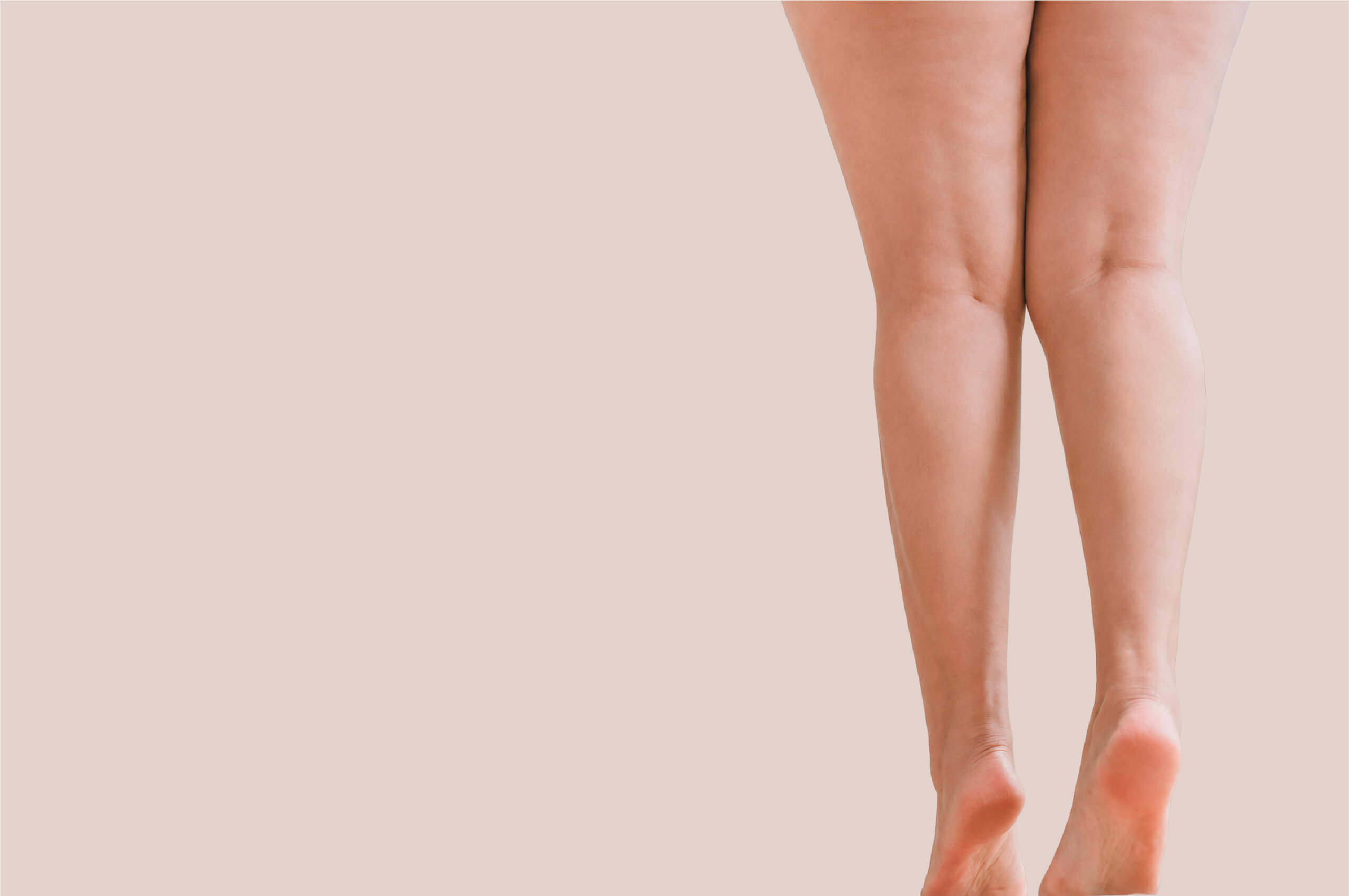
Lipedema
Symptoms, diagnosis
with Echo Color Doppler and treatments
At a glance
Lipedema is a chronic disorder of the adipose tissue that primarily affects women and is characterized by an increase in leg volume, pain, swelling, and a tendency to bruise easily. Diagnosis is mainly clinical and may be complemented by a venous Echo Color Doppler examination of the lower limbs to rule out circulatory conditions such as venous insufficiency and varicose veins. Early diagnosis makes it possible to establish a personalized treatment plan and improve quality of life.
The lipedema is a chronic disorder of the adipose tissue that causes an abnormal accumulation of fat, primarily in the legs, hips, and, in some cases, the arms. It almost exclusively affects women and is often mistaken for cellulite or simple overweight.
Unlike cellulite, lipedema is associated with pain, tenderness to touch, swelling, and a tendency to bruise easily. It is a progressive condition that, if left unrecognized, can significantly affect well-being and quality of life.
Lipedema has specific features that distinguish it from other aesthetic or vascular conditions.
The most common symptoms include:
- symmetrical enlargement of the legs;
- a disproportion between the upper and lower body;
- spontaneous pain or tenderness to pressure;
- a feeling of heavy legs;
- swelling that worsens throughout the day;
- a tendency to bruise easily;
- the presence of nodules in the subcutaneous tissue;
- difficulty reducing the volume of the lower limbs despite a balanced diet and regular physical activity.
In most cases, the hands and feet are not affected by the abnormal fat accumulation, a characteristic that can help guide the diagnosis.
Lipedema and cellulite are often confused, but they are two very different conditions.
Cellulite is a change in the subcutaneous tissue that causes the characteristic “orange peel” appearance and is generally considered a cosmetic concern. Lipedema, on the other hand, is a chronic disorder of the adipose tissue characterized by pain, swelling, and an increase in the volume of the lower limbs.
When the legs continue to increase in volume despite a healthy lifestyle, are painful to the touch, or bruise easily, it is advisable to seek a specialist evaluation.
The exact causes of lipedema are not yet fully understood, but research suggests a strong genetic and hormonal component.
The condition often develops during periods of significant hormonal change, such as:
- puberty;
- pregnancy;
- menopause.
These events may trigger the onset or progression of the disease in predisposed individuals.
How is lipedema diagnosed?
The diagnosis of lipedema is primarily clinical and is established through a comprehensive specialist evaluation.
During the evaluation, the specialist assesses:
-
medical history;
-
reported symptoms;
-
distribution of adipose tissue;
-
presence of pain, edema, and bruising;
-
venous circulation status;
-
any associated medical conditions.
The goal is to distinguish lipedema from other conditions that may present with similar symptoms, such as cellulite and venous insufficiency.
When indicated, the evaluation is complemented by a venous Echo Color Doppler examination of the lower limbs, a non-invasive, quick, and painless test that assesses venous circulation. Although Echo Color Doppler does not directly diagnose lipedema, it helps identify or rule out circulatory conditions such as venous insufficiency and varicose veins, which may contribute to the symptoms or require specific treatment. An accurate diagnosis makes it possible to determine the most appropriate treatment plan.
The specialist care pathway at Dermacademy
Each patient is assessed individually to identify the underlying cause of the symptoms and determine the most appropriate diagnostic pathway.
The evaluation includes a comprehensive clinical assessment and, when indicated, a venous Echo Color Doppler examination of the lower limbs.
The specialist assesses:
- distribution of adipose tissue;
- pain and related symptoms;
- presence of edema;
- venous circulation status;
- possible coexistence of cellulite or venous insufficiency.
At the end of the evaluation, a personalized care pathway is established to achieve an accurate diagnosis and identify the most appropriate treatment based on the patient’s individual characteristics.
Lipedema treatment
There is currently no definitive cure for lipedema. However, a personalized management plan can help relieve symptoms, slow the progression of the condition, and improve quality of life.
The treatment aims to:
- reduce pain and swelling;
- improve lower limb function;
- slow the progression of the condition;
- improve overall quality of daily life.
Based on the clinical evaluation, the treatment plan may include:
- specialist follow-up;
- phlebological treatments, when indicated;
- selected aesthetic medicine protocols;
- lifestyle recommendations;
- collaboration with other specialists, when appropriate.
Each treatment plan is tailored to the patient’s individual clinical needs.
When should you schedule a consultation?
A specialist evaluation is recommended if you experience one or more of the following symptoms:
- persistent heaviness in the legs;
- pain or tenderness to touch;
- disproportionate enlargement of the lower limbs compared with the rest of the body;
- frequent bruising;
- cellulite that does not respond to conventional treatments;
- persistent swelling;
- difficulty reducing leg volume despite a balanced diet and regular physical activity.
An early diagnosis makes it possible to distinguish lipedema from cellulite and other circulatory disorders, allowing the most appropriate treatment to be established.
FAQ
Yes. Lipedema is a chronic disorder of the adipose tissue and not simply a cosmetic concern.
Yes. In its early stages, lipedema is often mistaken for cellulite. Pain, swelling, a tendency to bruise easily, and symmetrical enlargement of the legs are signs that should prompt a specialist evaluation.
There is currently no definitive cure for lipedema. However, early diagnosis and a personalized treatment plan can help manage its progression and significantly improve symptoms.
Echo Color Doppler does not confirm a diagnosis of lipedema, but it is an essential examination for assessing venous circulation, ruling out other conditions, and completing the overall clinical evaluation.
Book a specialist consultation
If you suspect you may have lipedema or would like to distinguish this condition from cellulite or other circulatory disorders, the Dermacademy team can help with a comprehensive specialist evaluation.
Through a thorough clinical assessment and, when indicated, a venous Echo Color Doppler examination of the lower limbs, it is possible to obtain an accurate diagnosis and define the treatment plan best suited to your individual needs.
Book a specialist consultation at Dermacademy and rely on experienced professionals in the diagnosis and management of lipedema and circulatory disorders.