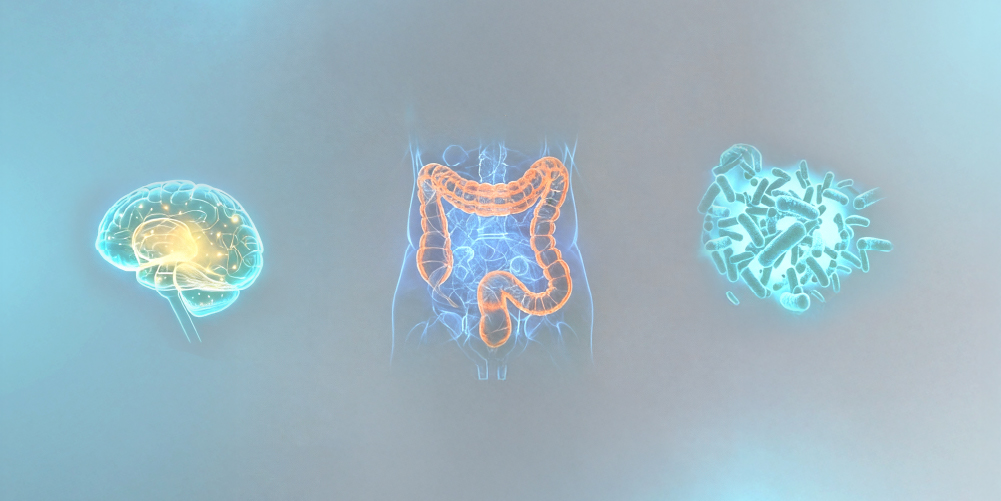

Microbiota, Skin, and Autoimmunity: A New Clinical Perspective on Skin Health
In recent years, the term microbiota has increasingly entered everyday language. This is not a trend, but a profound change in the way we interpret skin health and the functioning of the immune system.
Scientific research shows that the balance of the microbiota — both cutaneous and intestinal — plays a decisive role in the prevention, progression, and treatment of many dermatological and autoimmune diseases.
In this article, we clearly and rigorously analyze what the microbiota really is, how it becomes altered, and why it represents one of the most interesting frontiers of modern dermatology.
What Is the Skin Microbiota?
The skin is not sterile. It is inhabited by millions of organisms: bacteria, viruses, fungi, and mites, which vary according to body area, pH, and sebum production.
An Ecosystem That Protects Us
The skin microbiota:
- prevents colonization by pathogenic microorganisms (colonization resistance);
- feeds on our secretions (sebum, sweat, corneous cells);
- interacts with the immune system, “training” it to respond correctly.
The presence of these microorganisms is not only normal, but essential for skin health.
When the Balance Breaks: Dysbiosis
Dysbiosis is a quantitative or qualitative alteration of the microbiota.
It may be caused by:
- changes in temperature and pH,
- stress,
- hormonal alterations,
- systemic diseases,
- changes in sebum production,
- local or systemic antibiotic therapies.
One microbial population increases while another decreases: this is not an infection, but an imbalance.
Clinical Manifestations of Cutaneous Dysbiosis
Dandruff and Seborrheic Dermatitis: the Role of Malassezia
One of the clearest examples involves Malassezia, a fungus normally present on the skin.
When it finds sebum particularly favorable to its growth, it increases in number and produces irritating metabolites that cause:
- inflammation,
- flaking,
- redness,
- itching
Seborrheic dermatitis is not an infection, but an inflammatory response linked to dysbiosis.
Other Related Conditions
Alterations of the microbiota may influence:
- inflammatory acne,
- rosacea,
- atopic dermatitis,
- psoriasis (in combination with immune predisposition).
Gut Microbiota: the Second Main Character
If the skin microbiota represents what happens “on the surface,” the gut microbiota is a fundamental part of our body’s immune balance.
A Complex and Dynamic Ecosystem
Trillions of microorganisms live in the intestine and interact with:
- metabolism,
- nutrient absorption,
- vitamin production,
- regulation of the immune system.
How the Modern Diet Alters the Microbiota
The Western diet — rich in sugars and fats and poor in fiber — promotes bacterial strains that:
- increase gas production,
- alter intestinal permeability,
- promote a chronic inflammatory state.
“Leaky Gut”: When the Barrier Weakens
The loss of integrity of the intestinal barrier allows the passage of:
- bacterial fragments (LPS),
- food antigens,
- toxins
These substances reach the bloodstream and activate the immune system, generating a systemic inflammatory response.
Numerous studies confirm the association between intestinal permeability and autoimmune diseases, including dermatological conditions.
When the Gut Talks to the Skin
The immune response generated in the intestine can manifest in distant organs, especially the skin.
This is what we observe in diseases such as:
- psoriasis,
- atopic dermatitis,
- vitiligo,
- rosacea,
- alopecia areata.
10% of the world’s population develops at least one autoimmune disease, and having one increases the risk of developing others.
Why Treating Only the Skin Is Not Enough
For years, medicine focused primarily on skin symptoms: immunosuppressive creams, anti-inflammatory drugs, phototherapy.
These approaches are useful, but they do not modify the root of the problem.
Topical therapy alone risks:
- temporarily improving lesions,
- failing to interrupt immune progression,
- failing to prevent the onset of other associated autoimmune diseases.
An effective approach must consider the skin–gut–immune system as a whole.
The Dermacademy Approach: the ImmunoNova Protocol
The Dermacademy Institute has studied the relationship between microbiota and autoimmunity for over 25 years, particularly in vitiligo, for which it is one of the leading reference centers in Europe.
From this experience comes ImmunoNova, an integrated protocol that acts on the deeper causes of the disease.
We invite you to learn more here.
The microbiota represents a fundamental interpretative key for understanding many dermatological and autoimmune diseases.
The skin is not an isolated system: it is part of a complex network involving the intestine, the immune system, and the environment.
Addressing a skin disease means going beyond the surface and rebuilding the biological balances that allow the skin to function correctly again.
This is the direction of modern dermatology.
This is the direction guiding the Dermacademy Institute.
Sources
- Grice EA, Segre JA. The skin microbiome. Nat Rev Microbiol. 2011;9(4):244-253. doi: 10.1038/nrmicro2537. PMID: 21407241.
- Xu H, Liu M, Cao J, Li X, Fan D. The role of gut microbiota in autoimmune diseases. Clin Rev Allergy Immunol. 2019;57:1-14. doi: 10.1007/s12016-018-8713-1. PMID: 30569474.
- O’Neill CA, Monteleone G, McLaughlin JT, Paus R. The gut-skin axis in health and disease: a paradigm with therapeutic implications. Trends Microbiol. 2021;29(10):923-936. doi: 10.1016/j.tim.2021.02.011. PMID: 33771563.


