Cellulite
Cellulite: A Common Concern for Many Women
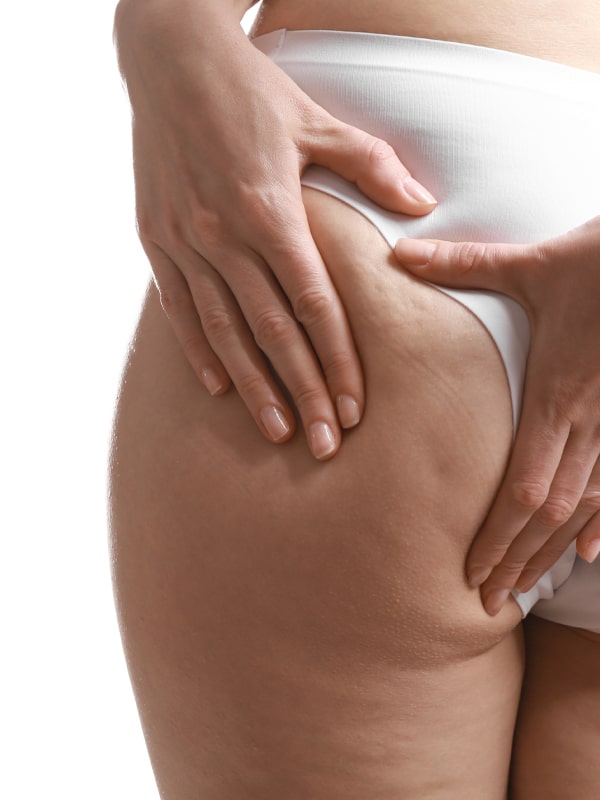
Cellulite, or localized adiposity, is an aesthetic concern that affects approximately 90% of women regardless of body shape or age. Although for many years it was considered a condition to be treated as a disease, today cellulite is recognized as one of the most common and widely discussed aesthetic concerns of our time: everyone talks about it, but few address it effectively.
Cellulite is a condition characterized by an alteration in the metabolism of the subcutaneous tissue, leading to an increase in the volume of fat cells and fluid retention in the spaces between cells. This process develops in the hypodermis, the fatty layer located beneath the dermis, which is mainly composed of fat cells. In practice, as fat cells enlarge, they compress the microcirculation, causing water retention and an initial inflammatory process.
Cellulite is generally classified into three main stages:
- Edematous cellulite: characterized by fluid stagnation in the areas where the condition is most commonly expressed (hips, thighs, gluteals, and abdomen);
- Fibrous cellulite: defined by the appearance of the characteristic “orange peel” skin texture becoming evident;
- Sclerotic cellulite: in the third and final stage, the skin tissue becomes hardened, the surface appears irregular, and small nodules may form that can be painful to the touch.
The main causes of cellulite include:
- Genetic factors: hereditary predisposition to poor circulation, connective tissue structure, and metabolism;
- Hormonal factors: high estrogen levels that promote increased fluid retention;
- Vascular factors: slowed blood circulation encourages fluid accumulation;
- Lifestyle: a diet high in sugars, smoking, alcohol consumption, and a sedentary lifestyle are aggravating factors.
Are There Definitive Cellulite Treatments?
The first step is to rely on experts in aesthetic medicine. Treatments must be based on an accurate diagnosis and a detailed understanding of the patient, including from a psychological perspective. During the initial consultation for a treatment aimed at eliminating or reducing cellulite, the Dermacademy specialist performs a thorough medical assessment, gathering information about the patient’s overall health condition.
Cellulite Remedies at Dermacademy
Changing lifestyle habits, increasing physical activity, and following an anti-inflammatory, fiber-rich diet can help prevent cellulite, but when cellulite is already present, targeted treatments are necessary.
Our cellulite treatments are numerous and varied, ensuring a higher percentage of successful outcomes.
Treatments for Cellulite
How it works
Carboxytherapy consists of the injection of carbon dioxide (CO₂) into the subcutaneous tissue with the aim of improving microcirculation, reducing cellulite, and diminishing the appearance of dark circles.
Goals
This treatment stimulates lipolysis (the breakdown of fats) and increases tissue oxygenation. It is indicated for improving skin firmness and reducing aesthetic imperfections.
How it works
Mesotherapy (or intradermotherapy) is a medical-aesthetic treatment that involves the injection of targeted active substances directly into the dermis or subcutaneous tissue. Thanks to localized microinjections, it is possible to address specific skin imperfections such as cellulite, fluid retention, and localized fat deposits, promoting a visible improvement in skin quality.
Goals
The treatment aims to improve imperfections related to cellulite and fluid retention by promoting a lipolytic and firming action. Through personalized protocols, mesotherapy makes it possible to reshape the treated areas, improve tissue tone, and address stretch marks or skin laxity.
How it works
Biodermogenesi uses a vacuum massage system combined with electrical stimulation that reactivates microcirculation and promotes tissue oxygenation. This process stimulates cellular regeneration, improving the appearance of the skin and repairing its visible imperfections.
Goals
The main goal is to reduce the visibility of stretch marks and scars, restore firmness and compactness to the skin in order to counteract the signs of aging, and improve skin elasticity. The result is a harmonious and natural-looking effect that is long-lasting over time.
How it works
Microneedling uses microneedles to create microchannels in the epidermis, stimulating the skin’s natural regenerative process. This mechanism activates the production of collagen and elastin, improving skin texture and reducing imperfections such as scars and wrinkles.
Goals
The main goal of microneedling is to promote cellular renewal and encourage smoother, firmer, and more even skin. Thanks to its ability to stimulate the skin’s natural repair processes, it is an effective solution for scars, acne marks, and other skin irregularities.
How it works
Prime X combines ultrasound and radiofrequency to achieve visible results in different areas of the body. The programmed pulse ultrasound emits shock waves that selectively act on fat cells. The radiofrequency, supported by a handpiece with a rotating massage system, generates heat deep within the tissues.
Goals
The main effect of the Prime X treatment is the reduction of localized fat and the reshaping of body contours. Those affected by cellulite will notice a reduction in its appearance and an improvement in skin texture, together with firmer tissues, for a more toned and defined body.
Book a specialist consultation
The health and peace of mind of our patients are always our priority. We have developed a method that guarantees a personalized treatment journey through a process that begins with listening.
Book a specialist consultation at the Dermacademy Institute.


