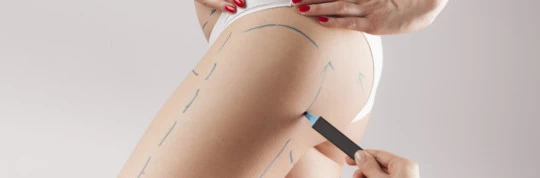

Liposculpture for Body Contouring
Liposculpture represents the most advanced evolution of liposuction techniques, first introduced in the 1970s with the goal of removing fatty tissue deposits without leaving visible scars. While traditional liposuction was a significantly traumatic procedure due to the instruments used and the limited precision in fat removal, the innovations introduced with liposculpture allow for far more aesthetically satisfying results while drastically reducing the invasiveness of the procedure, to the point that it can now be performed under local anesthesia.
How Liposculpture Is Performed
Like the original technique from which it derives, liposculpture involves the removal of fat deposits through aspiration. The contents of the fat cells are suctioned using microcannulas with a diameter ranging from 2 to 4 millimeters, a size that helps minimize the impact of the procedure.
Before proceeding with the removal of adipose tissue, the treatment area is infiltrated with saline solution and local anesthetics, creating a sort of liquid layer that protects the skin, reduces bruising, and allows for faster recovery. The incisions are extremely small and are performed within the body’s natural folds and creases, making them virtually invisible.
The Effectiveness of Liposculpture Techniques
In addition to ensuring faster recovery compared to the liposuction procedures performed in the past, liposculpture is also significantly more effective. This is because it acts on all levels of fat accumulation, from superficial to deeper layers, removing fat deposits in a more homogeneous and uniform way. This allows for extremely precise treatment of localized body areas while maintaining total control over body contouring. This is why the term liposculpture is used: the goal is to sculpt and reshape the body.
Who Is It Recommended For?
Liposculpture is indicated for individuals who are generally in good physical condition and have firm, elastic skin, but present localized fat deposits in specific areas of the body that can no longer be eliminated through physical activity or dietary measures alone.
In women, fat accumulations are commonly located on the buttocks and hips (the so-called “saddlebags”), while in men, fat is more commonly deposited on the abdomen and flanks (“love handles”). In addition to abdominal liposculpture, buttock liposculpture, and leg liposculpture, this procedure may also be used to correct imperfections affecting the arms and knees.
Body contouring surgery should not be considered a substitute for diet and exercise. As previously mentioned, liposculpture allows the removal of localized fat deposits that cannot be eliminated in other ways.
There are no age limits for undergoing this procedure. However, older individuals, whose skin has lost part of its elasticity, generally achieve less optimal results compared to younger patients. For overweight patients, it is advisable to first undergo a dietary program and only later consider liposculpture.
Liposculpture at the Dermacademy Institute
There are no age limits for undergoing this procedure. However, older individuals, whose skin has lost some of its elasticity, generally obtain less satisfactory results compared to younger patients. For overweight patients, it is advisable to follow a dietary program before resorting to liposculpture.
Since it is an extremely personalized procedure, liposculpture requires a thorough specialist consultation. At the Dermacademy Institute, during the first appointment the plastic surgeon evaluates the amount and location of fat deposits as well as skin elasticity, explaining the objectives and aesthetic results that can realistically be achieved.
The specialist also evaluates the patient’s overall health condition in order to exclude the presence of alterations that could influence the final outcome of the procedure (such as high blood pressure, coagulation disorders, or healing issues). At the end of the consultation, the most appropriate treatment plan is agreed upon together with the patient.
Would you like a professional opinion about your condition and find out whether liposculpture may help resolve your aesthetic concerns? Book a consultation by filling out the contact form.
Author: Istituto Dermacademy

